
Beetroot
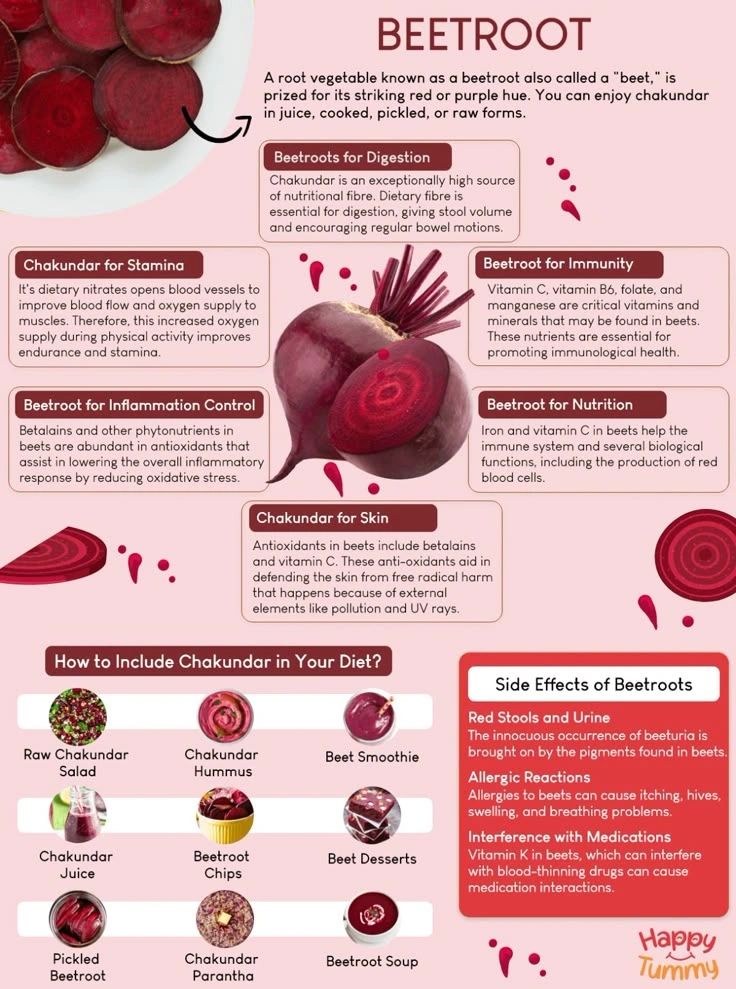
1.Rich in Nitrates → Better Blood Flow
Nitrates in beetroot convert to nitric oxide in the body, which dilates blood vessels, improving circulation, lowering blood pressure, and enhancing exercise endurance.
Athletes often drink beetroot juice before workouts for this reason.
2. Anti-inflammatory & Antioxidant Benefits
Contains betalains (the pigment that makes it red), which have anti-inflammatory and antioxidant effects.
Helps in reducing oxidative stress, which is linked to aging and chronic diseases.
3. Supports Detox Pathways
Contains betaine, which supports liver function and methylation — important for detoxifying homocysteine and other metabolic by-products.
4. Good for Gut Health
Raw beets are a good source of soluble and insoluble fiber, which helps digestion, prevents constipation, and feeds beneficial gut bacteria.
5. Micronutrient Boost (but not iron powerhouse)
Provides vitamin C, folate, manganese, potassium, and magnesium — important for red blood cell production, nerve health, and muscle function.
⚠️ Limitations
-Low in iron → Only ~0.8 mg per 100 g, and it’s non-heme iron (poor absorption). Not a reliable iron booster.
-Sugar content → Naturally high in sugar for a vegetable (around 7–8 g/100 g), so diabetics need portion control.
-Can cause beeturia → Pink/red urine in ~10–15% of people. Harmless, but can be mistaken for blood in urine.
🚫 When to Be Careful
Kidney stones → Beetroot is high in oxalates, which can contribute to stone formation in prone individuals.
Low blood pressure → Can lower BP further, which might be an issue if you’re already hypotensive or on BP medications.
FODMAP sensitivity → Can cause bloating in people with IBS, due to fermentable carbs.
Bottom Line
Raw beetroot is very useful for circulation, heart health, detox, and gut support, but it is not a major iron source. If your goal is iron replenishment, you need to combine it with iron-rich foods (lentils, pumpkin seeds, spinach, etc.) and vitamin C for better absorption.
✅ Why Raw Beetroot is Useful
1. Rich in Nitrates → Better Blood Flow
Nitrates in beetroot convert to nitric oxide in the body, which dilates blood vessels, improving circulation, lowering blood pressure, and enhancing exercise endurance.
Athletes often drink beetroot juice before workouts for this reason.
2. Anti-inflammatory & Antioxidant Benefits
Contains betalains (the pigment that makes it red), which have anti-inflammatory and antioxidant effects.
Helps in reducing oxidative stress, which is linked to aging and chronic diseases.
3. Supports Detox Pathways
Contains betaine, which supports liver function and methylation — important for detoxifying homocysteine and other metabolic by-products.
4. Good for Gut Health
Raw beets are a good source of soluble and insoluble fiber, which helps digestion, prevents constipation, and feeds beneficial gut bacteria.
5. Micronutrient Boost (but not iron powerhouse)
Provides vitamin C, folate, manganese, potassium, and magnesium — important for red blood cell production, nerve health, and muscle function.
⚠️ Limitations
-Low in iron → Only ~0.8 mg per 100 g, and it’s non-heme iron (poor absorption). Not a reliable iron booster.
-Sugar content → Naturally high in sugar for a vegetable (around 7–8 g/100 g), so diabetics need portion control.
-Can cause beeturia → Pink/red urine in ~10–15% of people. Harmless, but can be mistaken for blood in urine.
🚫 When to Be Careful
Kidney stones → Beetroot is high in oxalates, which can contribute to stone formation in prone individuals.
Low blood pressure → Can lower BP further, which might be an issue if you’re already hypotensive or on BP medications.
FODMAP sensitivity → Can cause bloating in people with IBS, due to fermentable carbs.