
Vitamins
 Where vitamins and minerals are stored in the body
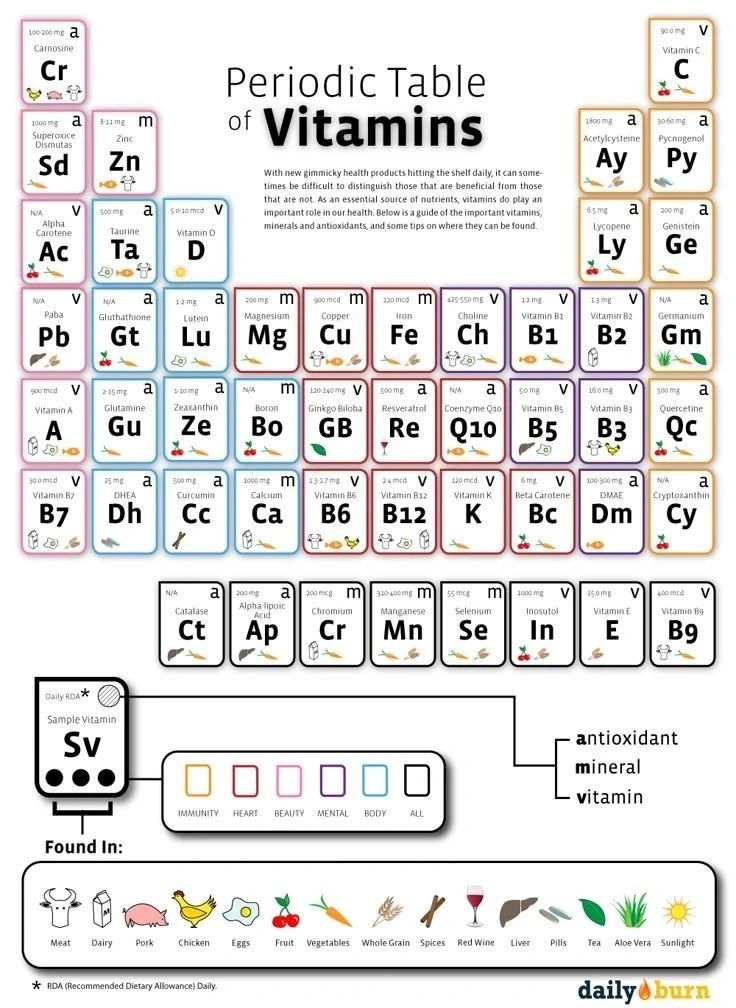
Vitamins and minerals use different storage strategies. Some are stockpiled in organs and tissues, while others are used immediately and must be replenished often. Storage pattern explains why some deficiencies appear quickly and why a few nutrients can accumulate to toxic levels if overconsumed.
1️⃣ Water-soluble vitamins (B-complex, vitamin C)
Mostly circulate in blood and are not stored in large amounts. Excess is lost in urine, so steady intake matters. Vitamin B12 is the notable exception and is stored in the liver for years.
🟢 Example: a few weeks with little vitamin C can cause fatigue and gum irritation, while low B12 may not show up for months because liver stores buffer intake.
🟢 Example: intense sweating or diuretics can raise B-vitamin needs since these dissolve and leave with fluids.
2️⃣ Fat-soluble vitamins (A, D, E, K)
Absorbed with dietary fat and stored in liver, adipose tissue, and to a lesser extent skin. Deficiency develops slowly, and excess intake can accumulate.
🟢 Example: vitamin D stored in liver and fat can help maintain status through winter when sunlight is low.
🟢 Example: chronic high vitamin A intake from supplements can build up in the liver and cause headaches or skin peeling.
3️⃣ Major minerals (calcium, magnesium, phosphorus, potassium, sodium, chloride, sulfur)
Stored mainly in bone, muscle, and extracellular fluids. They maintain structure and electrical balance.
🟢 Example: about 99 percent of calcium is stored in bone; low dietary calcium draws from bone reserves over time, weakening bone density.
🟢 Example: magnesium is stored in bone and muscle; heavy sweating or stress can deplete it and trigger muscle cramps or irregular heartbeat.
🟢 Example: sodium and chloride are held in extracellular fluids; high salt intake increases extracellular volume and can raise blood pressure in salt-sensitive people.
4️⃣ Trace minerals (iron, zinc, copper, selenium, iodine, manganese, chromium, molybdenum, fluoride)
Required in small amounts with specific storage sites.
🟢 Example: iron is stored as ferritin in liver, spleen, and bone marrow; low ferritin reduces red blood cell production and causes fatigue.
🟢 Example: iodine concentrates in the thyroid gland to make thyroid hormones; low iodine intake slows metabolism and can enlarge the thyroid.
🟢 Example: zinc is distributed in skin, pancreas, and brain; low zinc impairs wound healing and blunts taste and smell.
5️⃣ Choline and other water-soluble nutrients
Choline is stored in the liver and incorporated into phospholipids and acetylcholine.
🟢 Example: inadequate choline raises risk for fatty liver and can affect memory because the body cannot synthesize enough to cover needs in many people.
Water-soluble vitamins are used quickly and need regular intake. Fat-soluble vitamins and many minerals can be stored for longer periods, delaying deficiency but increases the risk of buildup with excessive intake.