
Nitric Oxide
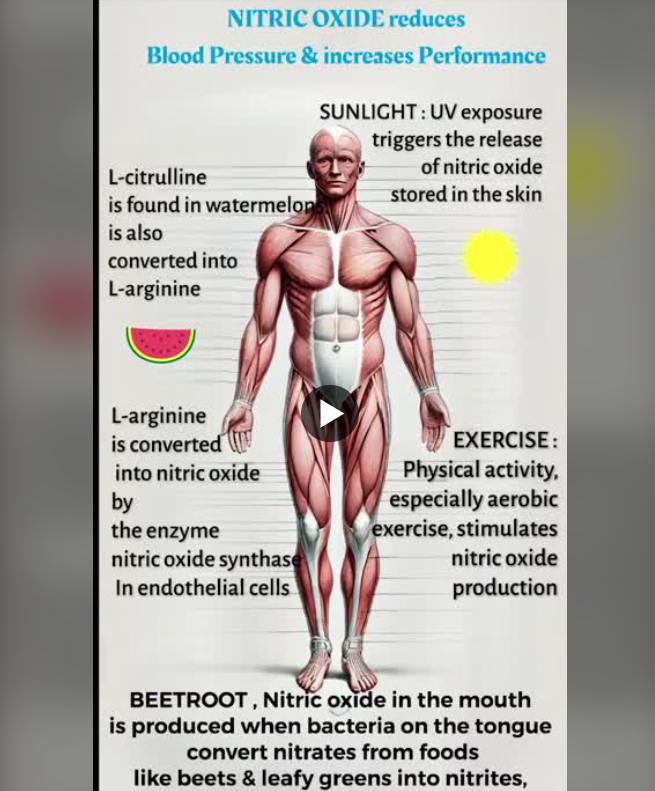
Nitric Oxide: Unlocking Vascular Health and Athletic Performance
Nitric oxide (NO) is a signaling molecule that plays an important role in vascular health and athletic performance. As a potent vasodilator, NO relaxes and expands blood vessels, improving endothelial function, increasing blood flow, and reducing blood pressure. This enhanced circulation allows for more efficient oxygen and nutrient delivery, which supports cardiovascular health and optimizes muscle performance.
For athletes, elevated NO levels may translate into improved endurance, enhanced exercise capacity, and faster recovery by promoting better oxygen uptake and reducing lactic acid buildup. NO also facilitates muscle repair and growth by improving nutrient delivery post-exercise.
To naturally boost nitric oxide, include nitrate-rich foods such as beetroot juice, leafy greens, and other beets in your diet, along with watermelon, which is rich in L-citrulline, a precursor to L-arginine. L-arginine is then converted into nitric oxide (NO) through a process catalysed by enzymes known as nitric oxide synthases (NOS), which helps improve blood flow. L-arginine can be found in foods including turkey and pumpkin seeds.
Sunlight lowers blood pressure , When the skin is exposed to sunlight, especially ultraviolet A (UVA) rays, nitrites and nitrates stored in the skin are reduced to nitric oxide (NO) lowering blood pressure.
These combined strategies can enhance nitric oxide production, supporting both vascular health and athletic performance, making nitric oxide an important factor in assessing peak physical output and long-term cardiovascular health.
Eat well and enjoy your exercise with sensible sun exposure. Sun is also needed for vitamin D synthesis.
1. Nitrate Derived From Beetroot Juice Lowers Blood Pressure in Patients With Arterial Hypertension: A Systematic Review and Meta-Analysis. Front Nutr. 2022; 9: 823039.
2. Effects of Beetroot Juice Supplementation on Cardiorespiratory Endurance in Athletes: A Systematic Review. Nutrients. 2017 Jan; 9(1): 43.
3. Does Incident Solar Ultraviolet Radiation Lower Blood Pressure? Journal of the American Heart Association Volume 9, Number 5, 28 February 2020.