
Headaches
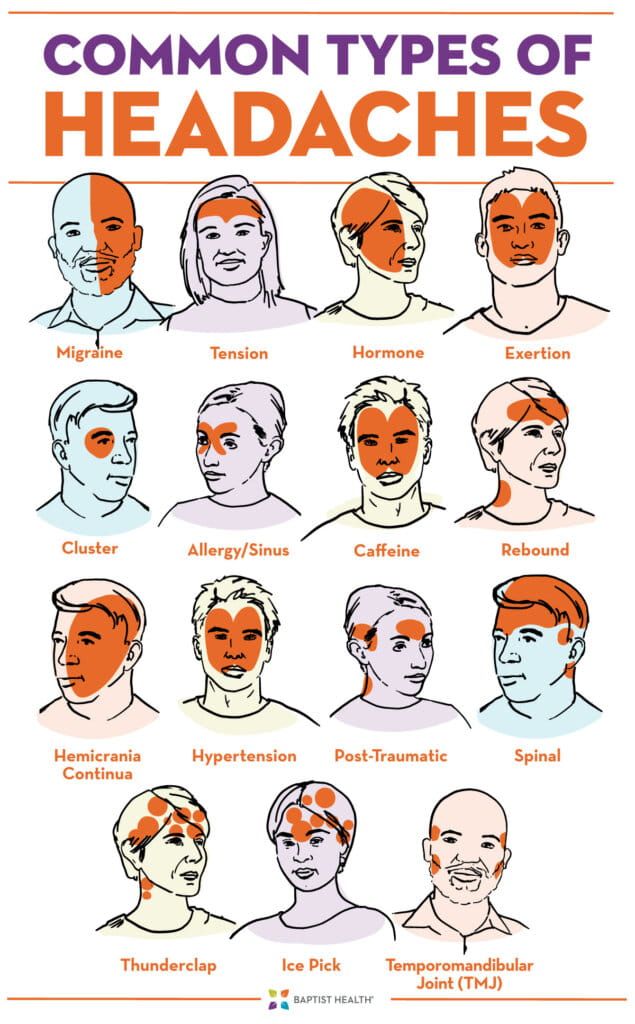
𝗪𝗵𝗮𝘁 𝗖𝗮𝘂𝘀𝗲𝘀 𝗛𝗲𝗮𝗱𝗮𝗰𝗵𝗲𝘀?
Headaches can be triggered by:
• Lifestyle: Stress, dehydration, lack of sleep, or caffeine withdrawal.
• Medical: Migraines, infections, high blood pressure, or head trauma.
• Other factors: Medication overuse, environmental triggers (e.g., loud noise), or serious conditions like meningitis.
𝗦𝗶𝗴𝗻𝘀 𝗮𝗻𝗱 𝗦𝘆𝗺𝗽𝘁𝗼𝗺𝘀 🚨
Headache types vary, but red flags for emergencies include:
• Sudden, severe pain (“thunderclap” headache).
• Headache with fever, stiff neck, or confusion.
• Vision changes, weakness, or speech difficulties.
• Nausea or vomiting (especially with migraines).
• Pain worsening over hours or days.
• Headache after head trauma or injury.
⚠️ Note: A headache with neurological symptoms (e.g., slurred speech, one-sided weakness) may indicate a stroke—seek help immediately!
R𝗶𝘀𝗸 𝗙𝗮𝗰𝘁𝗼𝗿𝘀 Factors increasing headache risk include:
• Controllable: Poor hydration, irregular sleep, or high stress.
• Uncontrollable: Family history of migraines, age (older adults at higher risk for serious causes), or prior head injury.
𝗧𝗿𝗲𝗮𝘁𝗺𝗲𝗻𝘁 🩺
Prompt action is key:
• Seek emergency care: Rush to the ER for sudden, severe headaches or those with neurological symptoms.
• Diagnosis: Physical exams, CT/MRI scans, or lumbar puncture to rule out serious causes.
• Medications: Pain relievers (e.g., ibuprofen), migraine-specific drugs, or IV fluids for dehydration.
• Recovery: Most non-emergency headaches resolve with rest, hydration, or medication; serious causes may require hospitalization.
• Complications: Untreated serious headaches can lead to stroke, brain damage, or seizures.
𝗧𝗮𝗸𝗲 𝗔𝗰𝘁𝗶𝗼𝗻 𝗧𝗼𝗱𝗮𝘆
• Know the signs: Train to recognize red-flag headache symptoms using FAST (Face, Arms, Speech, Time) for stroke.
• Be prepared: Carry hydration packs or pain relievers in your IFAK for minor headaches.
• Plan ahead: Have telemedicine or EMS contacts ready for rapid assessment during a detail.
No comments to display
No comments to display