# Body Health
Food Cravings, Cancer, Painkillers, Brain, Reflexology, CPR, Vitamins, Dementia
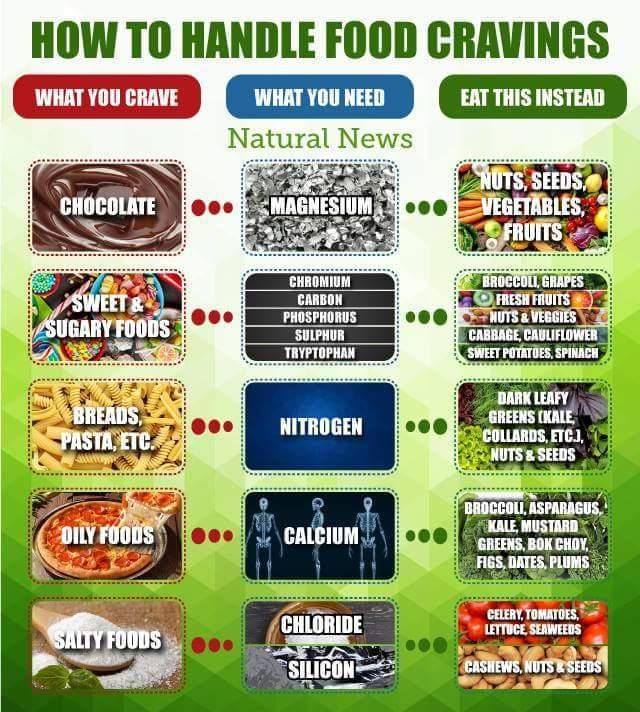
# Food Cravings
[](https://resources.planforfailure.com/uploads/images/gallery/2024-05/bsB5Y2Bb5mw7Joqn-food-cravings.jpeg)
[https://www.linkedin.com/feed/update/urn:li:activity:7147893040139976704/](https://planforfailure.com/docs/health_tips.pdf "Health Tips")
Cleaning your kidneys, skin, and liver naturally involves adopting a healthy lifestyle and incorporating certain practices:
1\. **Hydration:** Drinking an adequate amount of water helps flush out toxins from your kidneys. Aim for at least 8-10 cups of water daily.
2\. **Balanced Diet:** Consume foods rich in antioxidants, such as berries, leafy greens, and fruits, to support kidney and liver health. Reduce processed foods, sodium, and sugar intake.
3\. **Herbal Teas:** Dandelion root, nettle leaf, and parsley teas are known for their detoxifying properties that can support kidney and liver function.
4\. **Regular Exercise:** Engage in physical activities to improve circulation, which aids in detoxification and overall health.
5\. **Limit Alcohol and Caffeine:** Excessive alcohol and caffeine consumption can burden the liver and kidneys. Moderation is key.
6\. **Skin Care:** Keep your skin clean by gently washing it with mild, natural products. Exfoliate to remove dead skin cells and promote skin health.
7\. **Detox Baths:** Epsom salt baths or using essential oils like lavender or rosemary can support skin detoxification.
8\. **Liver-Friendly Foods:** Incorporate foods like garlic, turmeric, cruciferous vegetables (broccoli, cauliflower), and nuts that support liver health.
# Cancer
[https://www.youtube.com/watch?v=vv1nzsEFFC8](https://www.youtube.com/watch?v=vv1nzsEFFC8)
[https://covid19criticalcare.com/reviews-and-monographs/cancer-care/](https://covid19criticalcare.com/reviews-and-monographs/cancer-care/)
[https://covid19criticalcare.com/wp-content/uploads/2023/06/Cancer-Care-Webinar-1-1.pdf](https://covid19criticalcare.com/wp-content/uploads/2023/06/Cancer-Care-Webinar-1-1.pdf)
- [Tripping Over the Truth](https://www.chelseagreen.com/product/tripping-over-the-truth/) - Travis Christofferson
- [Father of DNA - James Watson](https://www.amazon.com/DNA-Secret-James-D-Watson/dp/0375710078)
- [How to Starve Cancer ](https://www.howtostarvecancer.com/)- Jane Mclelland
- [Cancer as a Metabolic Disease](https://pubmed.ncbi.nlm.nih.gov/20181022/) - Thomas Segfried
Urination
- [https://www.linkedin.com/posts/adam-small-4905b8252\_healthiswealth-activity-7137728617177899009-kCsJ](https://www.linkedin.com/posts/adam-small-4905b8252_healthiswealth-activity-7137728617177899009-kCsJ)
- [https://www.livingspringsretreat.com/](https://www.livingspringsretreat.com/)
- Saw Palmetto (Stinging nettle, small willow leaf)
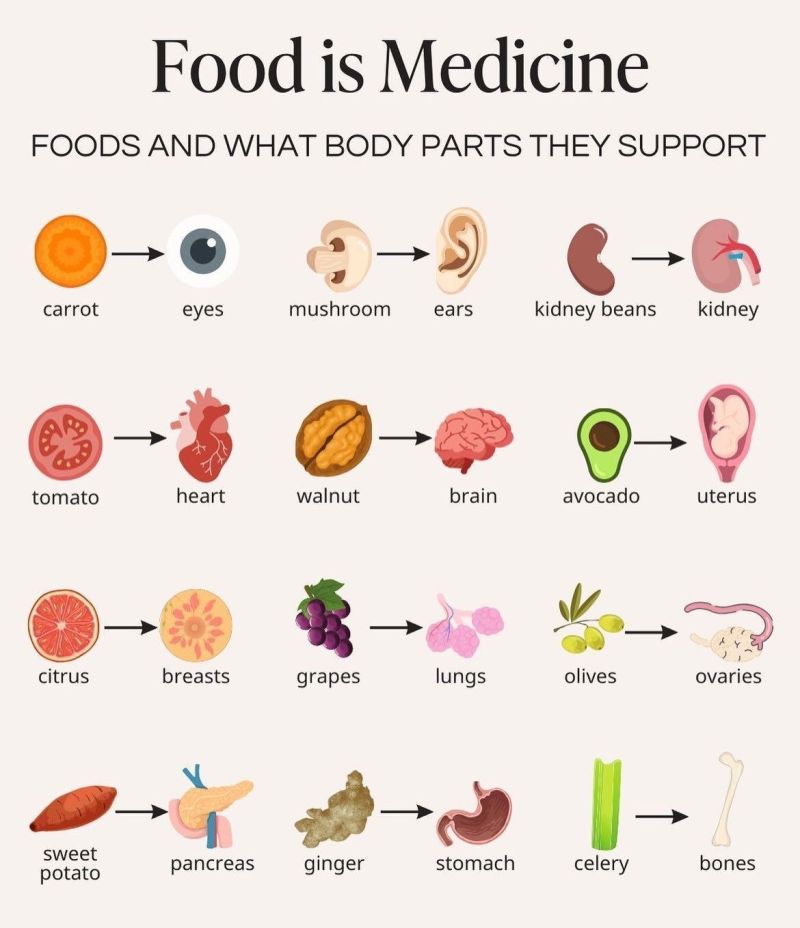
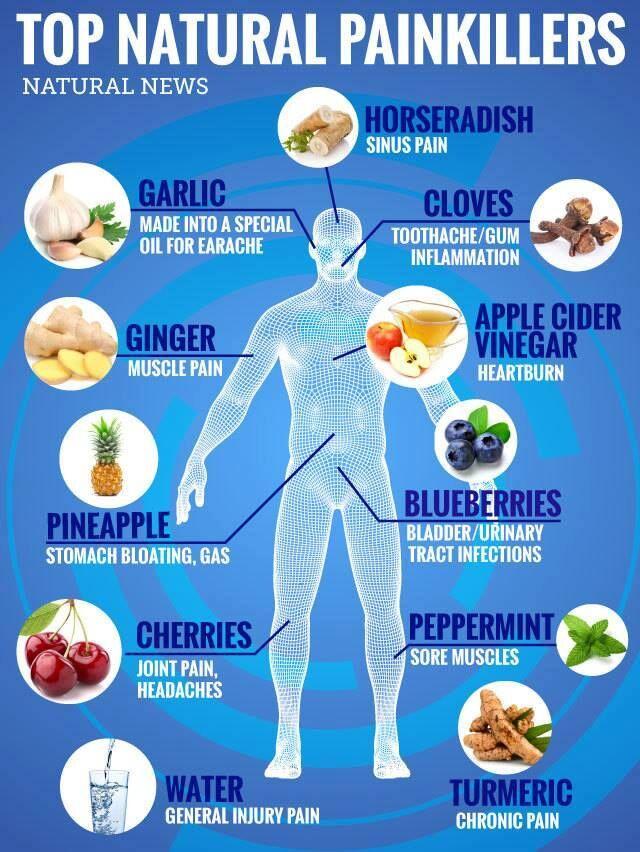
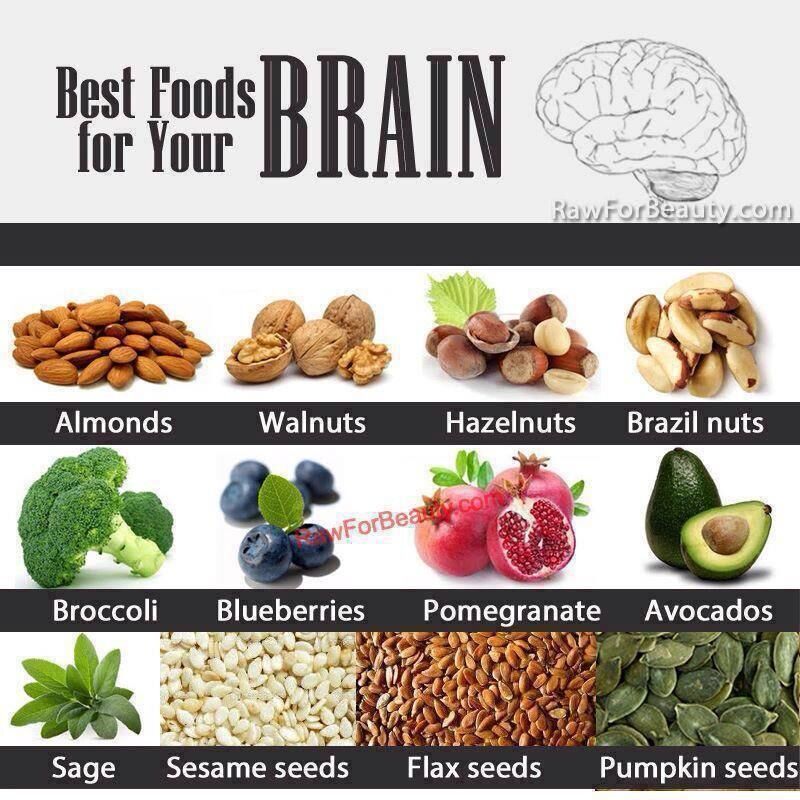
# Body Health, Painkillers, Brain
[](https://resources.planforfailure.com/uploads/images/gallery/2024-10/V4lXUhPOZGdp7TV8-what-you-eat.jpeg)
[](https://resources.planforfailure.com/uploads/images/gallery/2024-08/ArCzrqXRoJjbb9RL-painkillers.jpeg)
[](https://resources.planforfailure.com/uploads/images/gallery/2024-04/jLuUiv7od1rIaNlW-brain-food.jpeg)
[](https://resources.planforfailure.com/uploads/images/gallery/2026-01/HHoq8wlMGPqQMePE-fibre-tax.jpeg)
[](https://resources.planforfailure.com/uploads/images/gallery/2026-01/UNsEjWl1yEuxS0IE-water-medicine.jpeg)
[](https://resources.planforfailure.com/uploads/images/gallery/2026-01/kUDtXUNyOdGYTZnQ-body-vitamins.jpeg)
[](https://resources.planforfailure.com/uploads/images/gallery/2026-01/JEVqZfkggssoBqY0-pumpkin-seeds.jpeg)
[](https://resources.planforfailure.com/uploads/images/gallery/2026-01/eCnTpy4je2Q2PbnI-mental-health-vitamins.jpeg)
# Homemade Toothpaste
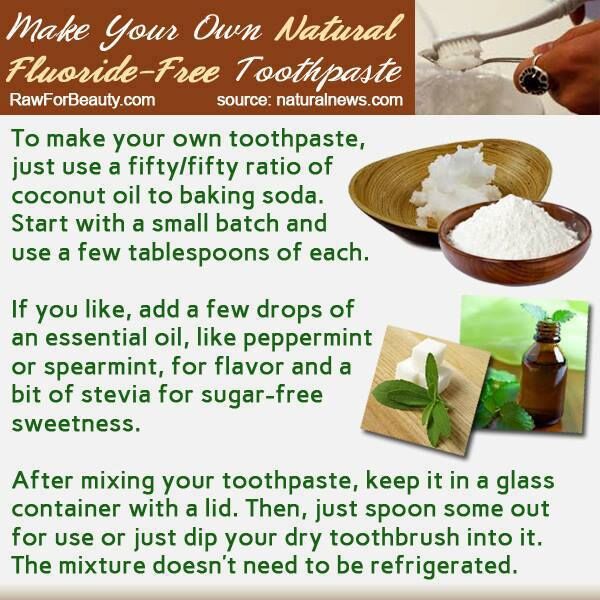
Homemade everything.
[](https://resources.planforfailure.com/uploads/images/gallery/2024-04/pOCCAF4Juv51CrKR-toothpaste.jpeg)
# Reflexology
[](https://resources.planforfailure.com/uploads/images/gallery/2024-09/wJOOnnpEAwkKlseI-reflexology.png)
# Barbara O'Neill
[https://barbaraoneill.com/ ](https://barbaraoneill.com/)Alternative medicine
# Castor oil/Baking Soda
For centuries, traditional folk remedies have offered natural, effective solutions for various health concerns. In today’s world, however, many rely heavily on prescription medications, which can be laden with chemicals and sometimes less effective than natural alternatives.
**Castor oil** stands out as one of the most potent natural remedies, providing numerous health benefits. When combined with **baking soda** and applied as a topical treatment, this mixture can address a wide range of ailments by improving circulation and reducing inflammation.
`How to Apply Castor Oil and Baking Soda Treatment:`
1. Clean the affected area with a baking soda solution.
2. Gather materials: cold-pressed castor oil, clean gauze, plastic wrap, a warm water bottle, and a towel.
3. Heat the castor oil and soak the gauze in it.
4. Place the oil-soaked gauze on the affected area and cover it with plastic wrap.
5. Put the warm water bottle over the plastic wrap and secure everything with a towel.
6. Leave it on for about an hour. Repeat this process daily for 40 days.
`24 Powerful Uses of Castor Oil and Baking Soda:`
1. **Pilonidal Cyst Relief:** Apply castor oil directly to the affected area.
2. **Reduce Snoring:** Apply castor oil packs to the stomach daily for two weeks.
3. **Improve Hearing:** Place a few drops of castor oil in the ears.
4. **Allergy Relief:** Take 5 drops of castor oil every morning.
5. **Sprained Ankles:** Wrap the ankle in castor oil overnight.
6. **Lower Back Pain:** Apply castor oil packs to the lower back for one week.
7. **Wound Healing:** Use castor oil on bruises, minor cuts, and wounds.
8. **Cataract Treatment:** Place one drop of castor oil in the eye before bed.
9. **Prevent Stretch Marks:** Massage the stomach with castor oil during the last two months of pregnancy.
10. **Calcium Deposit Removal:** Massage the soles with castor oil daily.
11. **Addiction Management:** Take several drops daily to help with nicotine and alcohol cravings.
12. **Vocal Cord Health:** Apply castor oil packs to the neck for hoarseness.
13. **Digestive Relief:** Apply castor oil to the stomach for hyperactivity.
14. **Chronic Diarrhea:** Use castor oil packs on the abdomen.
15. **Dark Spot Removal:** Mix castor oil with baking soda and apply to facial spots.
16. **Bee Sting Relief:** Apply castor oil to soothe stings and reduce swelling.
17. **Eye Allergies:** Rub castor oil on the eyelids before bed.
18. **Stimulate Hair Growth:** Massage the scalp with castor oil for 20 minutes before shampooing.
19. **Tinnitus Relief:** Take 6-8 drops daily for four months.
20. **Hepatitis Support:** Castor oil may aid in managing symptoms.
21. **Wart Removal:** Apply castor oil to warts daily for a month.
22. **Fungal Foot Infections:** Apply castor oil to affected areas regularly.
23. **Mole Removal:** Rub castor oil on moles daily for a month.
24. **Skin Cancer Treatment:** Mix castor oil with baking soda and apply to the skin (consult a healthcare professional).
Harness the natural power of castor oil and baking soda to address various health issues effectively and safely. This powerful combination offers a natural, time-tested remedy that can support your well-being in many ways.
# Tooth/Teeth
The practice of holistic dentistry views oral health as interconnected with overall body health, considering teeth as integral to systemic wellness. Instead of treating the mouth in isolation, holistic dentists incorporate natural therapies alongside conventional treatments to diagnose, prevent, and manage dental conditions.
The state of our oral cavity is crucial as it can serve as a gateway for microbial infections that may enter the bloodstream, heightening the risk for conditions such as diabetes, heart disease, and stroke.
Statistics indicate that 95% of Americans with diabetes also suffer from gum disease, which complicates blood sugar regulation. Furthermore, the initial signs of human immunodeficiency virus (HIV) often manifest in the mouth.
Research also highlights the connection between oral health and premature or low-birth-weight deliveries. Individuals with respiratory conditions may experience more pronounced symptoms when oral health is compromised.
Neglected oral hygiene not only impacts physical health but can also affect social interactions, self-confidence, and intimate relationships. This can lead to depression and other mental health challenges.
Intriguingly, each tooth is thought to have a link to specific body parts. Discomfort or tooth pain can sometimes indicate underlying health issues. Here’s how these connections break down:
- **Incisors and canines** correspond with the kidneys, liver, and gallbladder.
- **Bicuspids and molars** are linked to the stomach and large intestine.
These meridians connect teeth to various organs, muscles, glands, and joints. For example:
- **Molar pain** could signify conditions like anemia, stomach or intestinal ulcers, chronic gastritis, bladder infections, and inflammation of the pancreas.
- **Wisdom tooth pain** might be linked to headaches, heart disease, high blood pressure, eczema, liver conditions, or extremity pain.
- **Pain in the incisors** may point to infections involving the kidneys, bladder, ears, or problems within the lymphatic or reproductive systems.
- **Canine pain** could indicate liver or gallbladder inflammation.
- **Premolar pain** might suggest colitis, pneumonia, allergic reactions, or an imbalance in intestinal flora.
- **Pain in the fourth tooth** (upper or lower) could be related to joint issues, lung problems, or large intestine concerns.
- **Lower canine pain** may relate to circulatory issues such as atherosclerosis or lung dysfunction.
- **Lower molar pain** might indicate respiratory conditions, varicose veins, or colon polyps.
# Chest and Throat Mucus
Experiencing blocked nasal passages, a persistent cough, or difficulty breathing can be uncomfortable. These symptoms often signal the presence of phlegm—thick mucus produced by the respiratory tract to fight infections. While phlegm helps defend against illness, excessive buildup can clog the airways and worsen respiratory issues like colds, flu, sinusitis, or allergies. If left untreated, this can lead to bronchial congestion and secondary infections.
Fortunately, these natural remedies can help you get fast relief from chest and throat mucus & phlegm:
**1. Honey and Lemon**
Honey is known for its potent antibacterial, antiviral, and antifungal properties that soothe the respiratory tract, while lemon is rich in vitamin C to boost immunity and clear congestion.
**Ingredients:**
- 2 tablespoons lemon juice
- 1 tablespoon honey
**Instructions:** Mix the lemon juice and honey. Drink the mixture three times daily for quick relief.
**2. Ginger**
Ginger acts as a natural decongestant and antihistamine. It possesses antiviral, antibacterial, and expectorant properties that help dry excess mucus and promote expulsion.
Simply chew 3-4 slices of raw ginger or drink ginger tea 2-3 times a day.
**Ginger Tea Recipe:**
- 6-7 ginger slices
- 1 teaspoon honey
- 1 teaspoon black peppercorns
- 2 cups water
Simmer ginger and peppercorns in water for 5-7 minutes, strain, add honey, and sip.
**3. Apple Cider Vinegar**
Apple cider vinegar helps alkalize the body and maintain a balanced pH to reduce mucus production.
**Instructions:** Mix 1 tablespoon of raw apple cider vinegar with a glass of water. Drink 2-3 times daily or gargle to soothe the throat.
**4. Turmeric**
Turmeric’s active compound, curcumin, has powerful antibacterial properties that help clear mucus.
**Ingredients:**
- 1 teaspoon turmeric
- ½ teaspoon salt
- 1 glass warm water
**Instructions:** Mix ingredients and gargle 3-4 times a day.
**5. Steaming**
Inhaling steam helps loosen mucus and soothe airways. Adding herbs enhances its benefits.
**Ingredients:**
- 4-5 cups boiling water
- ½ teaspoon thyme
- ½ teaspoon dried rosemary
**Instructions:** Add herbs to hot water. Lean over the bowl, cover your head with a towel, and inhale deeply. Repeat 3-4 times daily or take a hot, steamy shower.
**Additional Tips:**
- Regularly blow your nose.
- Avoid cold foods and drinks.
- Quit smoking to prevent mucus buildup.
- Use a humidifier.
- Avoid exposure to irritants like chemicals or strong fumes.
- Gargle and spit out mucus rather than swallowing it.
- Eat spicy foods to thin mucus.
Try these natural remedies and lifestyle tips for effective relief from chest and throat mucus.
# Perform CPR
Do you know how to perform Cardiopulmonary Resuscitation ?
1\) Safety First: Ensure the scene is safe for both you and the victim. Look out for any potential hazards.
2\) Check Responsiveness: Gently tap the person's shoulder and shout, "Are you okay?" If there's no response, it's time to act.
3\) Call for Help: Dial emergency services or direct someone else to do so. Quick professional intervention is crucial.
4\) Begin CPR: Position Your Hands: Place the heel of one hand on the center of the person's chest. Place your other hand on top and interlock your fingers.
5\) Give Compressions: Press down hard and fast, at least 2 inches deep, and at a rate of 100-120 compressions per minute. Allow the chest to rise fully between compressions.
6\) Open the Airway: Tilt the head back slightly and lift the chin.
7\) Provide Rescue Breaths (if trained): Pinch the nose shut, place your mouth fully over the person's mouth, and blow to make the chest rise. Give 2 breaths, each lasting about 1 second.
8\) Continue CPR: Keep performing cycles of chest compressions and rescue breaths until medical professionals arrive or the person begins to show signs of life.
# Nitric Oxide
[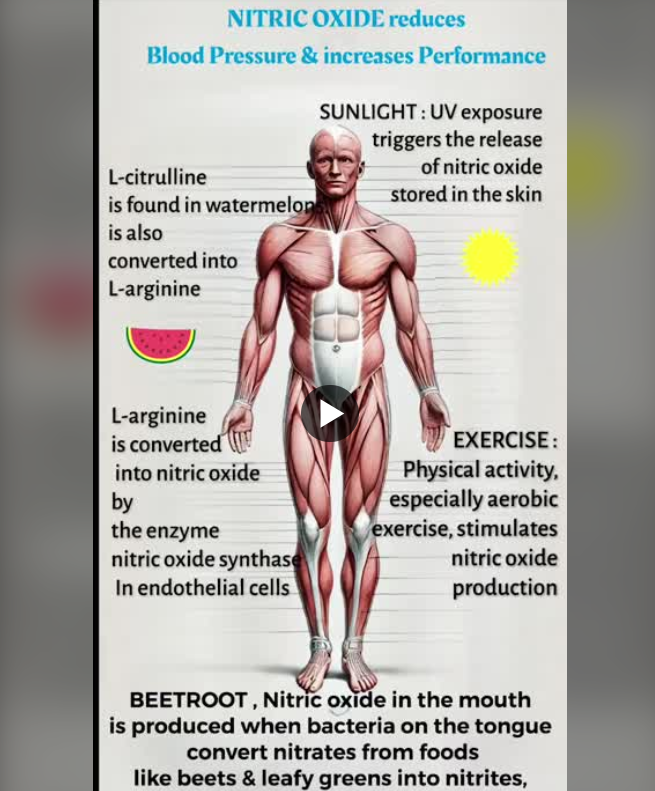](https://resources.planforfailure.com/uploads/images/gallery/2025-02/ezR7VbOME4GIecLf-nitric-oxide.png)Nitric Oxide: Unlocking Vascular Health and Athletic Performance
Nitric oxide (NO) is a signaling molecule that plays an important role in vascular health and athletic performance. As a potent vasodilator, NO relaxes and expands blood vessels, improving endothelial function, increasing blood flow, and reducing blood pressure. This enhanced circulation allows for more efficient oxygen and nutrient delivery, which supports cardiovascular health and optimizes muscle performance.
For athletes, elevated NO levels may translate into improved endurance, enhanced exercise capacity, and faster recovery by promoting better oxygen uptake and reducing lactic acid buildup. NO also facilitates muscle repair and growth by improving nutrient delivery post-exercise.
To naturally boost nitric oxide, include nitrate-rich foods such as beetroot juice, leafy greens, and other beets in your diet, along with watermelon, which is rich in L-citrulline, a precursor to L-arginine. L-arginine is then converted into nitric oxide (NO) through a process catalysed by enzymes known as nitric oxide synthases (NOS), which helps improve blood flow. L-arginine can be found in foods including turkey and pumpkin seeds.
Sunlight lowers blood pressure , When the skin is exposed to sunlight, especially ultraviolet A (UVA) rays, nitrites and nitrates stored in the skin are reduced to nitric oxide (NO) lowering blood pressure.
These combined strategies can enhance nitric oxide production, supporting both vascular health and athletic performance, making nitric oxide an important factor in assessing peak physical output and long-term cardiovascular health.
Eat well and enjoy your exercise with sensible sun exposure. Sun is also needed for vitamin D synthesis.
1\. Nitrate Derived From Beetroot Juice Lowers Blood Pressure in Patients With Arterial Hypertension: A Systematic Review and Meta-Analysis. Front Nutr. 2022; 9: 823039.
2\. Effects of Beetroot Juice Supplementation on Cardiorespiratory Endurance in Athletes: A Systematic Review. Nutrients. 2017 Jan; 9(1): 43.
3\. Does Incident Solar Ultraviolet Radiation Lower Blood Pressure? Journal of the American Heart Association Volume 9, Number 5, 28 February 2020.
# Dementia
Dementia encompasses symptoms that affect mental abilities, disrupting daily life with memory loss, mood changes, and cognitive difficulties. The leading cause of dementia is Alzheimer’s disease, but other contributors include depression, certain medications, thyroid problems, chronic infections, head injuries, vascular issues, Parkinson’s disease, and ***vitamin deficiencies***.
When left untreated, dementia progresses as more brain cells die, worsening the symptoms. However, if caught early and caused by reversible factors like vitamin deficiencies or medication side effects, it can be managed and potentially reversed. Though genetic predisposition plays a role, environmental, lifestyle, and psychological factors also contribute.
**Key Risk Factors for Dementia:**
- Head injuries
- Certain medications
- Alcohol use
- Low physical activity
- Cardiovascular conditions (e.g., high blood pressure, high cholesterol, diabetes)
- Thyroid dysfunction
- Vitamin deficiencies and poor diet
- Smoking
**Proven Methods to Reduce Dementia Risk:**
**1. B Complex Vitamins:**
B vitamins, particularly B6, B12, and folate, are vital for cell processes. They help lower homocysteine (HC) levels, which, when elevated, increase the risk of strokes, heart disease, and cognitive decline. To help reduce HC levels, consider taking a B-complex supplement with 500mcg of vitamin B12.
**2. Monitor Cholesterol, Blood Pressure, Blood Sugar, and Weight:**
Good cardiovascular and metabolic health lowers the risk of strokes, heart disease, and dementia. Type 2 diabetes, especially if developed during midlife, can increase Alzheimer’s risk by 50%.
**3. Fish Oil:**
DHA, found in fish oil, is essential for memory and cognitive health. Low DHA levels have been linked to cognitive impairment in older adults. For optimal benefits, aim for 1000mg of DHA daily.
**4. Be Cautious with Anticholinergic Medications:**
Anticholinergic drugs block parasympathetic nerve impulses and are found in sleep aids, allergy medications, heart medications, and antidepressants. High-dose or prolonged use has been linked to an increased risk of dementia. Consult your doctor if you use these medications to explore alternatives.
**5. Vitamin D:**
Research has shown that vitamin D deficiency is associated with cognitive decline and dementia. Animal studies indicate that vitamin D supplements can prevent the processes that lead to these conditions. Spend time in the sun and consider supplements to maintain healthy levels.
**6. Protect Your Brain:**
Always wear a helmet when biking or riding a motorcycle to prevent head trauma that could contribute to dementia.
**7. Stay Physically Active:**
Regular physical activity strengthens the vascular system and can prevent chronic health issues. Aim for at least 30 minutes of activities like walking, jogging, cycling, or gardening each day.
**8. Challenge Your Brain Daily:**
Mental stimulation delays dementia onset. Activities like crosswords, word puzzles, and learning new languages keep the brain active. Studies show that bilingual individuals may delay dementia by up to five years compared to those who speak only one language.
**9. Maintain Social Connections:**
Staying socially engaged can prevent the negative health impacts of loneliness and isolation, helping to sustain good mood and health.
**10. Quit Smoking and Limit Alcohol Intake:**
Smoking and excessive drinking significantly increase chronic disease risks, including dementia. Daily smokers have a 45% higher risk of Alzheimer’s compared to non-smokers. However, moderate alcohol consumption, particularly red wine (1-6 drinks per week), has been shown to have antioxidant benefits and is linked to a lower risk of dementia.
# Vitamins
[](https://resources.planforfailure.com/uploads/images/gallery/2025-10/OMSJr5qrtskMPShH-vitamin-table.jpeg)
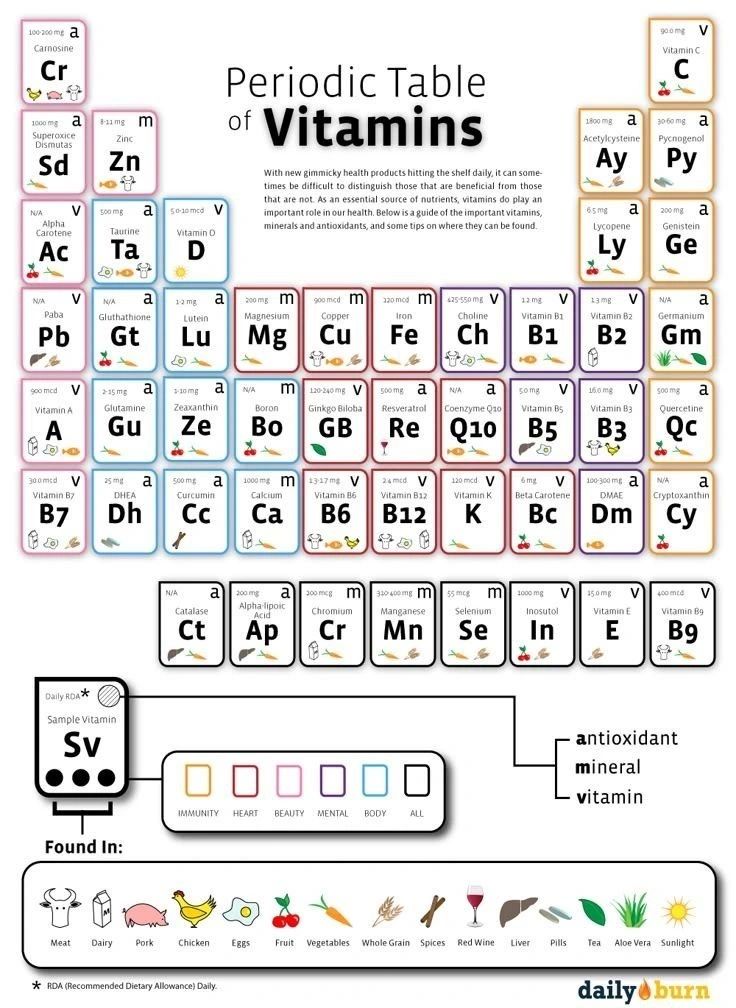
1️⃣ Vitamins = Activators
They turn enzymes and reactions on, making energy, neurotransmitters, and hormones possible.
🟢Example: B12 and folate drive methylation, critical for DNA repair and brain function.
2️⃣ Minerals = Spark Plugs
Minerals act like cofactors that help enzymes run.
🟢 Example: Magnesium is needed in more than 300 reactions, from ATP production to muscle relaxation.
3️⃣Antioxidants = Shields
They neutralize free radicals that damage cells.
🟢 Example: Vitamin C recycles Vitamin E, while CoQ10 protects mitochondria.
4️⃣ It’s a Network, Not Solo Players
These nutrients recycle and regenerate each other. One deficiency can drag the whole system down.
🟢 Example: Without selenium, glutathione can’t work; without B2, folate can’t activate.
5️⃣ Food Sources Matter Most
Vitamins and minerals don’t float alone. They come packaged with synergistic compounds in real food.
🟢 Example: Eggs give you choline + B12 + selenium, a combination you’ll never get from an isolated pill.
Where vitamins and minerals are stored in the body
Vitamins and minerals use different storage strategies. Some are stockpiled in organs and tissues, while others are used immediately and must be replenished often. Storage pattern explains why some deficiencies appear quickly and why a few nutrients can accumulate to toxic levels if over consumed.
1️⃣ Water-soluble vitamins (B-complex, vitamin C)
Mostly circulate in blood and are not stored in large amounts. Excess is lost in urine, so steady intake matters. Vitamin B12 is the notable exception and is stored in the liver for years.
🟢 Example: a few weeks with little vitamin C can cause fatigue and gum irritation, while low B12 may not show up for months because liver stores buffer intake.
🟢 Example: intense sweating or diuretics can raise B-vitamin needs since these dissolve and leave with fluids.
2️⃣ Fat-soluble vitamins (A, D, E, K)
Absorbed with dietary fat and stored in liver, adipose tissue, and to a lesser extent skin. Deficiency develops slowly, and excess intake can accumulate.
🟢 Example: vitamin D stored in liver and fat can help maintain status through winter when sunlight is low.
🟢 Example: chronic high vitamin A intake from supplements can build up in the liver and cause headaches or skin peeling.
3️⃣ Major minerals (calcium, magnesium, phosphorus, potassium, sodium, chloride, sulfur)
Stored mainly in bone, muscle, and extracellular fluids. They maintain structure and electrical balance.
🟢 Example: about 99 percent of calcium is stored in bone; low dietary calcium draws from bone reserves over time, weakening bone density.
🟢 Example: magnesium is stored in bone and muscle; heavy sweating or stress can deplete it and trigger muscle cramps or irregular heartbeat.
🟢 Example: sodium and chloride are held in extracellular fluids; high salt intake increases extracellular volume and can raise blood pressure in salt-sensitive people.
4️⃣ Trace minerals (iron, zinc, copper, selenium, iodine, manganese, chromium, molybdenum, fluoride)
Required in small amounts with specific storage sites.
🟢 Example: iron is stored as ferritin in liver, spleen, and bone marrow; low ferritin reduces red blood cell production and causes fatigue.
🟢 Example: iodine concentrates in the thyroid gland to make thyroid hormones; low iodine intake slows metabolism and can enlarge the thyroid.
🟢 Example: zinc is distributed in skin, pancreas, and brain; low zinc impairs wound healing and blunts taste and smell.
5️⃣ Choline and other water-soluble nutrients
Choline is stored in the liver and incorporated into phospholipids and acetylcholine.
🟢 Example: inadequate choline raises risk for fatty liver and can affect memory because the body cannot synthesize enough to cover needs in many people.
Water-soluble vitamins are used quickly and need regular intake. Fat-soluble vitamins and many minerals can be stored for longer periods, delaying deficiency but increases the risk of buildup with excessive intake.
-
# Headaches
[](https://resources.planforfailure.com/uploads/images/gallery/2025-10/BczgQeO4j7M6cqGe-headaches.jpeg)
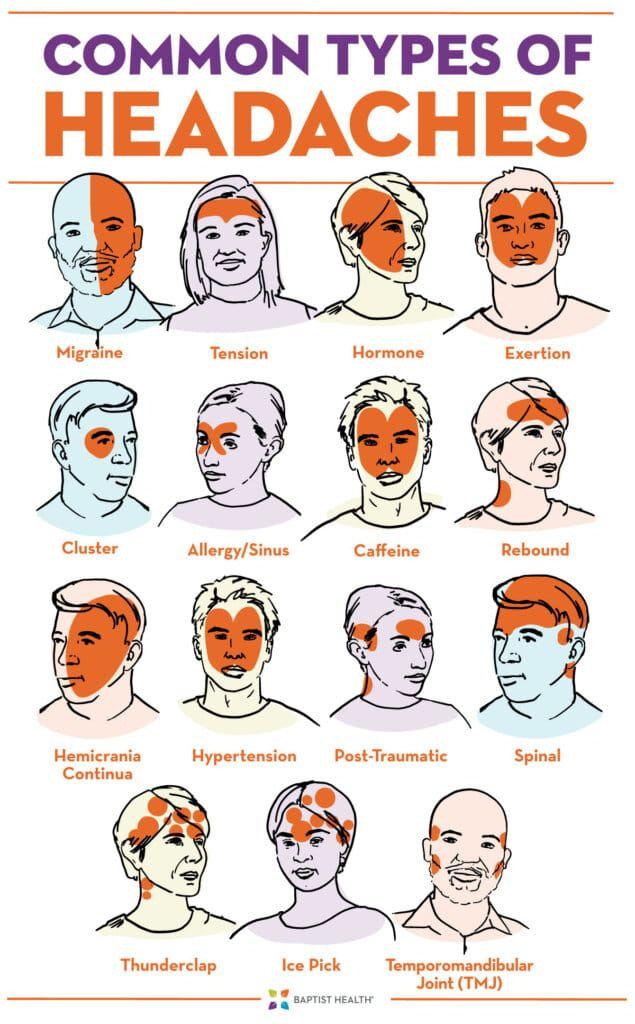
𝗪𝗵𝗮𝘁 𝗖𝗮𝘂𝘀𝗲𝘀 𝗛𝗲𝗮𝗱𝗮𝗰𝗵𝗲𝘀?
Headaches can be triggered by:
• Lifestyle: Stress, dehydration, lack of sleep, or caffeine withdrawal.
• Medical: Migraines, infections, high blood pressure, or head trauma.
• Other factors: Medication overuse, environmental triggers (e.g., loud noise), or serious conditions like meningitis.
𝗦𝗶𝗴𝗻𝘀 𝗮𝗻𝗱 𝗦𝘆𝗺𝗽𝘁𝗼𝗺𝘀 🚨
Headache types vary, but red flags for emergencies include:
• Sudden, severe pain (“thunderclap” headache).
• Headache with fever, stiff neck, or confusion.
• Vision changes, weakness, or speech difficulties.
• Nausea or vomiting (especially with migraines).
• Pain worsening over hours or days.
• Headache after head trauma or injury.
⚠️ Note: A headache with neurological symptoms (e.g., slurred speech, one-sided weakness) may indicate a stroke—seek help immediately!
R𝗶𝘀𝗸 𝗙𝗮𝗰𝘁𝗼𝗿𝘀 Factors increasing headache risk include:
• Controllable: Poor hydration, irregular sleep, or high stress.
• Uncontrollable: Family history of migraines, age (older adults at higher risk for serious causes), or prior head injury.
𝗧𝗿𝗲𝗮𝘁𝗺𝗲𝗻𝘁 🩺
Prompt action is key:
• Seek emergency care: Rush to the ER for sudden, severe headaches or those with neurological symptoms.
• Diagnosis: Physical exams, CT/MRI scans, or lumbar puncture to rule out serious causes.
• Medications: Pain relievers (e.g., ibuprofen), migraine-specific drugs, or IV fluids for dehydration.
• Recovery: Most non-emergency headaches resolve with rest, hydration, or medication; serious causes may require hospitalization.
• Complications: Untreated serious headaches can lead to stroke, brain damage, or seizures.
𝗧𝗮𝗸𝗲 𝗔𝗰𝘁𝗶𝗼𝗻 𝗧𝗼𝗱𝗮𝘆
• Know the signs: Train to recognize red-flag headache symptoms using FAST (Face, Arms, Speech, Time) for stroke.
• Be prepared: Carry hydration packs or pain relievers in your IFAK for minor headaches.
• Plan ahead: Have telemedicine or EMS contacts ready for rapid assessment during a detail.
# Obesity Causes
The scientist who’s spent 25 years exposing what really causes obesity.
His breakthrough? Fat loss isn’t about eating less — it’s about managing insulin.
Here are his top 7 unconventional lessons for fat loss and health (all backed by science):
1\. Excess carbohydrates normally drives fat storage.
The more you eat, the more insulin your body produces.
But then the more resistant you become to insulin, and the more fat you store.
People obsess too much over calories.
2\. Weight gain can be partly emotional.
You can eat and exercise the same but still gain weight due to stress...
Weight loss isn't always just "Eat less and move more".
Stress makes you more insulin resistant and slows your metabolism which promotes fat storage.
3\. Sugar from fruit is not the same as sugar from junk food.
Fruit:
\- Is full of vital nutrients
\- Has fiber that reduces blood sugar spikes
\- Is low-calorie & filling so you normally won´t overeat it.
4\. BMI is NOT a good measure of how much fat you have.
Visceral fat is a type of fat inside & around your organs.
It's extremely harmful, releasing inflammation and causing disease.
But BMI doesn't measure it much at all.
Even some people who don´t look very overweight can have a lot of it.
If your diet is high-carb, low-protein, with a lot of processed food and you have poor sleep and high stress levels...
You probably have visceral fat.
5\. Cholesterol is NOT just caused by dietary fat.
They told you to stop eating red meat, eggs and butter and to replace them with seed oils & carbs...
But excess carbs and sugar cause high cholesterol.
They increase triglycerides which gets turned into small, dense LDL particles (the bad type of cholesterol).
Plus, when you get more cholesterol through your diet, your body naturally produces less of it to balance you out.
6\. Insulin IS NOT harmless.
Everyone thinks of insulin as a harmless natural reaction to high blood sugar.
But chronically high insulin levels damage your body in many ways.
It's a reason why people with Type 2 diabetes die 15 years sooner on average (even when they´re on medication).
7\. Fat isn't bad for you.
They told us fat was bad and to eat more carbs.
Now about 40% of Americans are obese and have a chronic disease...
Fats are needed to produce your hormones.
Healthy fats like those in fatty fish and olive oil are anti-inflammatory too.
The Bottom Line:
We were told:
\- Base your diet on carbs
\- Calories are all that matter
\- Red meat and fat are bad for you
But that´s led us to an epidemic of obesity, diabetes, high blood pressure and heart disease.
Instead, you need to base your diet on:
\- Healthy fats
\- Animal protein
\- Unprocessed, nutritious food like fruit.
Then get consistent exercise (you only need 90 mins/week), sleep, sunlight and reduce your stress levels.
# Learn from Italians
1\. Eat slowly. Meals are meant to be enjoyed, not rushed.
2\. Walk more. The best views aren’t found in a car.
3\. Enjoy silence. A long pause says more than words.
4\. Beauty is everywhere. Pay attention.
5\. Dress well, always. Even a quick errand deserves style.
6\. Tradition matters. But so does innovation. Balance both.
7\. Take care of what you own. From shoes to friendships.
8\. Take your coffee seriously. No syrup. No foam. Just espresso.
9\. Sunday is sacred. Not for work. For God. For family. For rest.
10\. Laugh often. Life is dramatic enough—find the humor.
11\. Argue loudly, love deeply. Intensity means you care.
12\. Food is not just fuel. It’s culture, history, and art.
13\. "Dolce far niente" is real. The sweetness of doing nothing. Learn it. Live it.
14\. Talk with your hands. Passion should be seen, not just heard.
15\. Love where you live. Even if it’s not Italy.
The secret to happiness?
Italians have known it for centuries.
Forget hustle culture.
Italians do life differently on purpose.
The world moves fast.
Italians remind us to slow down and savor it.
Italy isn’t just a place, it’s a mindset.